

About HUMNEX
Experience inside the operation.
HUMNEX was founded by Robert Vance, whose leadership experience spans luxury hospitality, spa, and wellness operations.
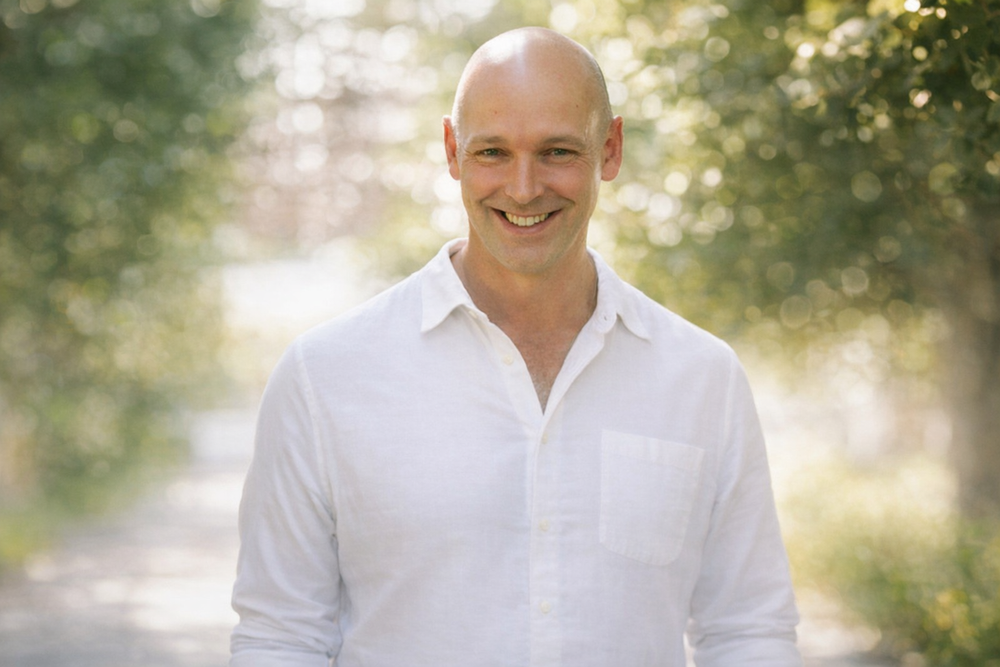
Founder · HUMNEX
Robert Vance.
Over more than two decades of leadership, Robert has worked across complex, experience-driven operations, including wellness development, multi-unit operations, and cross-functional executive teams.
That experience informs a practice built around direct observation, thoughtful analysis, and working alongside the people responsible for delivery.
The perspective is grounded in hospitality and wellness. Its broader application is to businesses whose client experience depends on how people and systems work together.
Why HUMNEX
Make the operating reality clear.
HUMNEX grew from a recurring observation: capable people can spend considerable effort navigating an operating structure that no longer supports what the business needs.
The practice examines that structure, names the constraints, and helps leadership establish an approach the team can use.
The work draws on commercial and operating evidence while paying attention to the experience of the people delivering the service.
Working together
A steady presence.
HUMNEX brings a calm, direct approach to the work. Observations are tested against evidence and discussed with the people responsible for the operation.
Engagements establish priorities and responsibilities clearly, keep decisions visible, and prepare for the team that will carry the work forward.
HUMAN EXPERIENCE ARCHITECTURE
The guest feels the system before they feel the service.

Experience is not created at the point of service. It is built, or compromised, in the structure beneath it. Organizations don't fail because people stop caring. They fail because the systems people work inside were never designed to support the outcomes the strategy requires. Effort fills the gap, until it can't.
THE PROBLEM
The pattern is consistent across experience-driven operations, at every scale.
Strategy exists. Leadership is capable. People are committed. And still, decisions slow, execution fragments, and tension accumulates without a clear source.
The constraint is rarely what it appears to be. Misalignment doesn't announce itself. It diffuses quietly through incentive structures, decision rights, and communication rhythms until the gap between intent and outcome becomes the operating norm.
The cost isn't abstract. Clients feel it before leadership names it. Relationships erode. Revenue softens. The team that built the early momentum starts to fracture. For smaller operations, misalignment isn't a performance problem. It's a survival one. Some businesses don't make it through.
And it cannot be marketed past. More visibility drives traffic into a broken system. More campaigns don't fix a structure that was never designed to deliver what the brand promises.
The problem isn't effort. It isn't strategy. It isn't even people.
It's the system they're operating inside.
THE LENS
HUMNEX works at the structural level, before additional hiring, capital, or process intervention.
The diagnostic frame is built around three conditions that determine whether complex human systems function well: Trust, Flow, and Clarity. When they're present, operations perform. When they're absent or misaligned, no strategy compensates.
The work begins with integration, not a survey or a slide deck. Direct observation. Conversations with the people inside the system. That proximity surfaces what distance misses: the friction that has been quietly built around, the constraints that were never named, the gap between what leadership believes is happening and what the team is actually navigating every day.
Most organizations aren't broken. They're adapted. The adaptations are where the real work is.
Where this shows up.
In a recent engagement, a resort spa posted the strongest revenue stretch in its history. What capped it was not talent, effort, or demand. It was structure no one had named: coverage that lived in a few people's memory, a booking process that could not hold peak demand, and a team running at its edge to compensate for both. The revenue was real. So was the ceiling. The work was to name the structure and rebuild it into instruments the team could run without heroics.
That is the principle underneath everything HUMNEX does. The system holds what the system should hold. The people do what only people can do.
LET’S TALK
If you're navigating complexity and believe structural misalignment may be the constraint, the next step is a conversation.